
Off Season Reset - Hydration
Was Your Hydration Plan Ready for Your Race Day?
A practical guide to sweat rate, sodium, and smarter race-day drinking
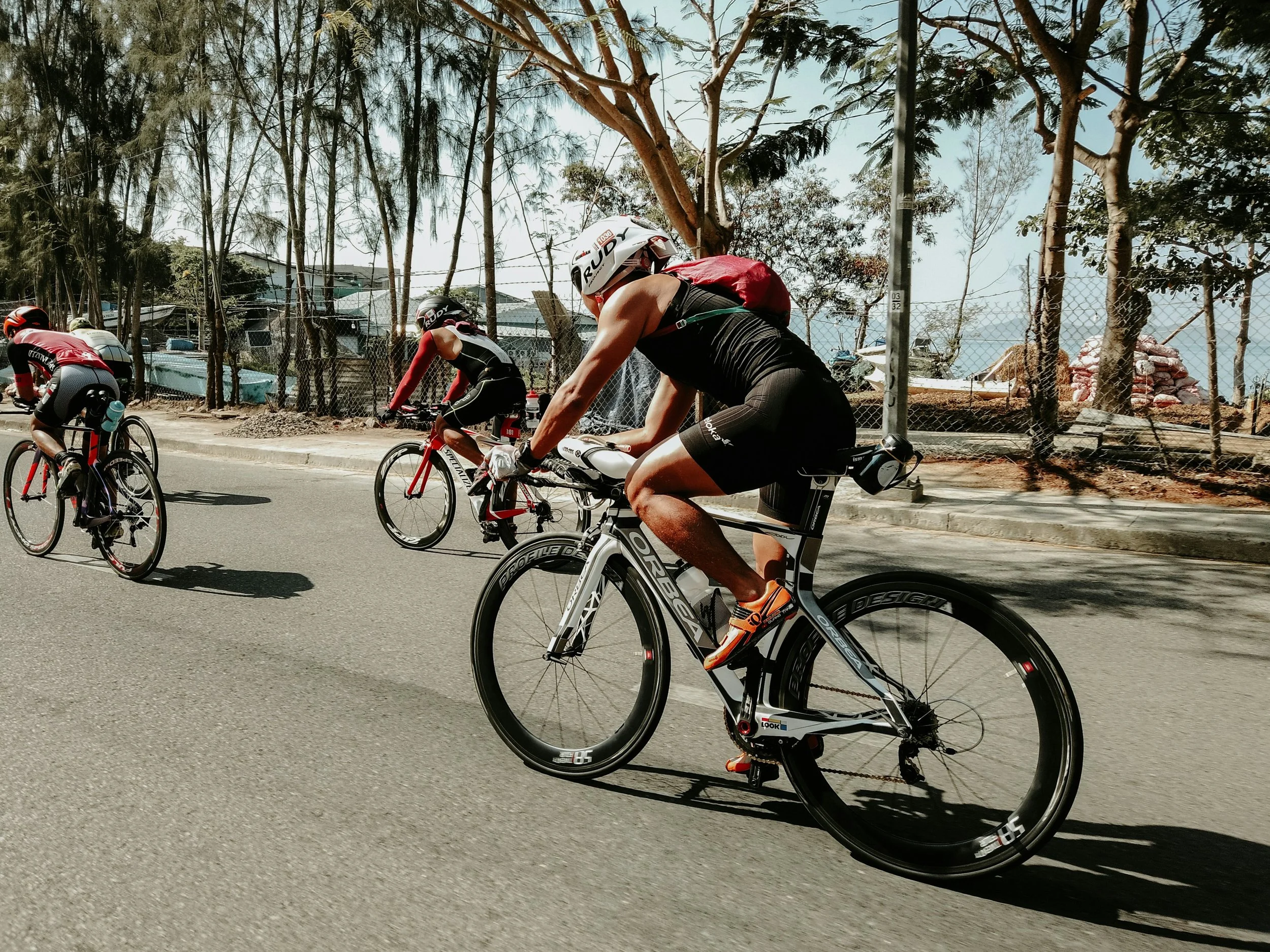
Triathletes spend months preparing their fitness, pacing, and equipment for race day. But how many have measured their sweat rate, learned how much sodium they lose in sweat, or practiced a hydration plan in conditions similar to their goal race?
A hydration strategy that works on a cool training ride may not work in the heat of an Ironman. One example that many of us witnessed was last weekend in the Ironman World Championship in Kona. Many athletes came in with a plan but did not finish. In a Triathlete magazine article (see link below) some of the 22 professional athletes that did not finish followed the same plan they had used in previous races, without success. Was it a plan that was not adjusted for the heat and humidity? Was it the additional stress of racing a world championship. We don’t know but the offseason is a good time to review what happened this season, gather useful information, and test a plan before the next start line.
Hydration is personal—not a bottle-per-hour formula
Sweat losses vary with body size, exercise intensity, temperature, humidity, clothing, acclimatization, and individual physiology. Two athletes riding side by side can lose very different amounts of fluid and sodium. That is why copying a teammate’s plan, an AI generated plan, or following a single fixed rule for every workout may not work well.
The goal is not to replace every drop of sweat during every event. It is to develop a practical plan that takes your expected losses, race conditions, duration, and heat tolerance into account, while avoiding both excessive dehydration and overdrinking.
1. Estimate your sweat rate
I advise all clients to do the following test to estimate fluid loss from sweat. Weigh yourself immediately before and after exercise, without any clothing.
Estimated sweat loss (liters) ≈ weight lost (kg) + fluid consumed (L)
Divide the estimated sweat loss by the workout duration to estimate sweat rate in liters per hour. For example, if an athlete loses 1.0 kg of body mass, drinks 0.5 L, and produces no urine during a one-hour workout, estimated sweat loss is about 1.5 L/hour.
Repeat the test in different conditions, ideally those similar to expected conditions on race day as sweat rate can change substantially with heat, humidity, intensity, and acclimatization.
2. Sodium matters—but how much do you actually lose?
Athletes also differ in the sodium concentration of their sweat. Someone who loses a large amount of sweat with a relatively high sodium concentration may have very different sodium losses from an athlete who sweats less or has a lower sodium concentration.
Precision Fuel & Hydration sweat testing measures your sweat sodium concentration, helping you understand how much sodium you lose per liter of sweat.
To estimate sodium loss over time, you need to consider both your sweat sodium concentration and your sweat rate. In simple terms:

Estimated sodium loss per hour ≈ sodium concentration in sweat × sweat rate
Testing can help inform a more individualized plan, but it does not mean you need to replace 100% of estimated sodium losses during every workout or race. Appropriate intake depends on duration, conditions, fluid intake, food and drink choices, tolerance, and the overall race plan. I help athletes understand their replacement needs before races.
3. Heat changes the equation, for both fluid and carbohydrate intake
In hot conditions, the body increases skin blood flow and sweat production to help dissipate heat. During exercise, blood flow is also directed toward working muscles, which can reduce blood flow to the gastrointestinal tract. Heat strain, dehydration, and high exercise intensity can combine to make gastrointestinal symptoms more likely in some athletes.
A plan that feels comfortable on a cool spring ride may need to be reassessed for a hot, humid race. That does not mean every athlete should automatically drink more or take more sodium. It means the plan should be practiced and adjusted for the expected conditions, with safety taking priority.
4. Avoid the more-is-better trap
Sodium is important, but taking more is not automatically better and sodium supplements do not make excessive fluid intake safe. Drinking more fluid than the body can excrete can contribute to exercise-associated hyponatremia, a potentially serious condition involving low blood sodium.
This is where a customized plan from a sports nutritionist can help. I start by calculating sodium loss using the Precision Fuel & Hydration test and help the athlete estimate sweat loss in various conditions and situations. I put those together, along with expected race day conditions and other health factors, so the athlete has a simple plan to follow on race day and the days leading up to race day.
5. Use the offseason to build your plan
· Estimate sweat rate during representative workouts.
· Record temperature, humidity, duration, and intensity.
· Find your unique sodium loss by running the Precision Fuel and Hydration testing available in my office.
· Use both sodium concentration and sweat rate to estimate potential sodium losses.
· Practice fluid and sodium strategies during long rides and brick workouts, not for the first time on race day.
· Repeat tests in different conditions and adjust your plan as needed.
Further reading
· Triathlete Magazine: Kona 2026 DNF files: What happened to the pros that did not make it to the finish line: https://www.triathlete.com/culture/news/2026-ironman-world-championship-dnf-files/?scope=initial
· IOC consensus statement: Recommendations and regulations for sport events in the heat: https://pmc.ncbi.nlm.nih.gov/articles/PMC9811094/
· National Athletic Trainers’ Association position statement: Fluid Replacement for the Physically Active: https://pmc.ncbi.nlm.nih.gov/articles/PMC5634236/